A personal branding overhaul and portfolio system designed to attract the right kind of creative work and make those connections easier to find.
UX Research &
Design Strategy
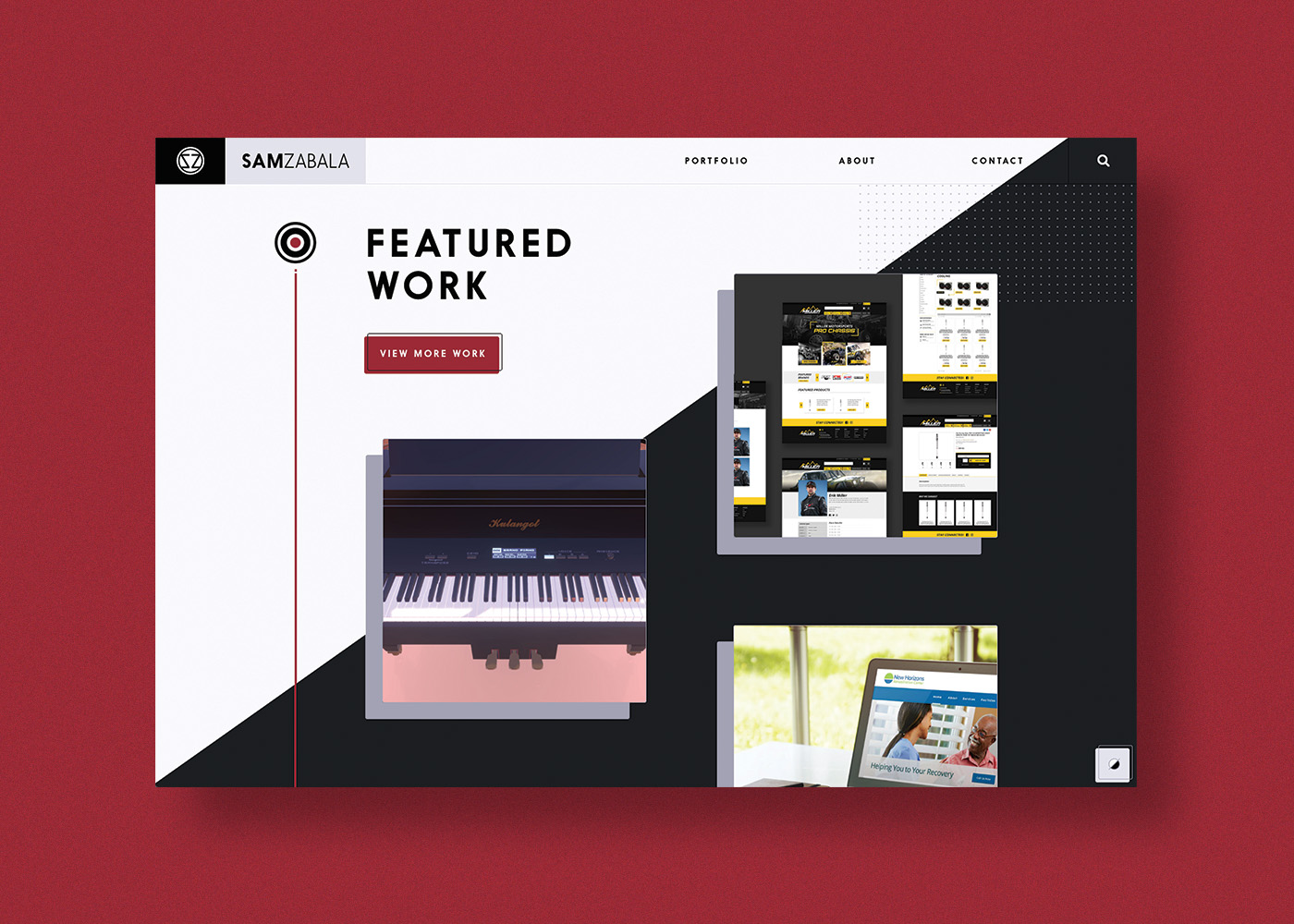
Every design project has stakeholders, but this one had an unusually honest list: me, and the people deciding whether they wanted to work with me. The UX strategy was built around a practical question: how do I lead with design, support it with illustration and development, and make it easy for the right opportunities to recognize the fit?
The result is a site built around selective curation. For prospects and recruiters, the portfolio surfaces focused, context-rich work with clear process narrative. For visitors who want to dig deeper, the Vault provides a secondary layer: an archive that preserves the full body of work and the evolution behind it without diluting the main experience or affecting SEO.
Dark mode, intentional project ordering, and a visual identity that complements rather than competes with the work were all designed around the same goal, helping the right work meet the right prospects faster.
Branding
& Identity
The rebrand started with two very firm design directives: less visual noise, and absolutely no return to orange. The old website had already moved away from that color, but the larger brand still carried the trauma. Between the loud circles, heavy visual elements, and a layout that wanted to introduce itself before the work even had a chance to speak, the portfolio had personality, just not enough restraint.
For this version, I wanted the visual system to feel more intentional without becoming sterile. The identity needed to support the work, not fight every project thumbnail for custody of the viewer’s attention. Since the portfolio had to hold design, illustration, web projects, and experimental work in one place, the brand had to be flexible enough to adapt while still feeling unmistakably mine. The previous visual identity was loud because it could be. This one knows when to step back and when to make an entrance.
The system extends beyond the website into business cards, contract templates, and supporting brand assets, giving the identity somewhere to live outside the screen. All icons and illustrative elements across the site were drawn in-house, allowing even the smallest details to follow the same visual language instead of borrowing someone else’s. The result is a portfolio that feels crafted and intentional rather than simply assembled to show my stuff.
Development
Most designers who know how to code use that knowledge as a guardrail, a way to stay aware of what is buildable and avoid designing too far outside the box. I use it less like a warning label and more like a crowbar. Instead of letting code shrink the idea, I like using it to see how much further the design can be elevated.
Programming became an important asset in shaping the experience. The architecture, motion details, performance decisions, and content structure were all built to serve the design strategy. The Vault keeps older work accessible without letting every project fight for main portfolio attention. Dark mode gives visitors a more comfortable way to view the site while also letting each piece show up in the lighting that suits it best.
Conclusion
The portfolio acted as both a showcase and a signal: attracting teams that valued creative range while gently excusing itself from rooms that were looking for something more conventional. The strategy was that the site was never meant to appeal to everyone; it was meant to make the right kind of fit easier to recognize.
If you’ve made it this far and what you’ve seen of my work feels like your kind of solution, then we’re probably in the right place. As the iconic Filipino TV host Boy Abunda might say: tara, kaibigan, usap tayo. In other words, let’s talk.